When a truly great game is released, fans immediately cry out for a sequel — often unaware that excess can destroy brilliance. For a sequel to succeed, it must do more than recycle ideas; it needs to expand upon the first title’s foundation while introducing new mechanics and independent concepts.
Unfortunately, developing games takes time. Without innovative ideas, many sequels end up living in the shadow of their predecessors, unable to achieve the same spark. This list explores notable examples of games worse than their predecessors — titles that failed to live up to the glory that came before.

Table of contents
1. Dead Space 2
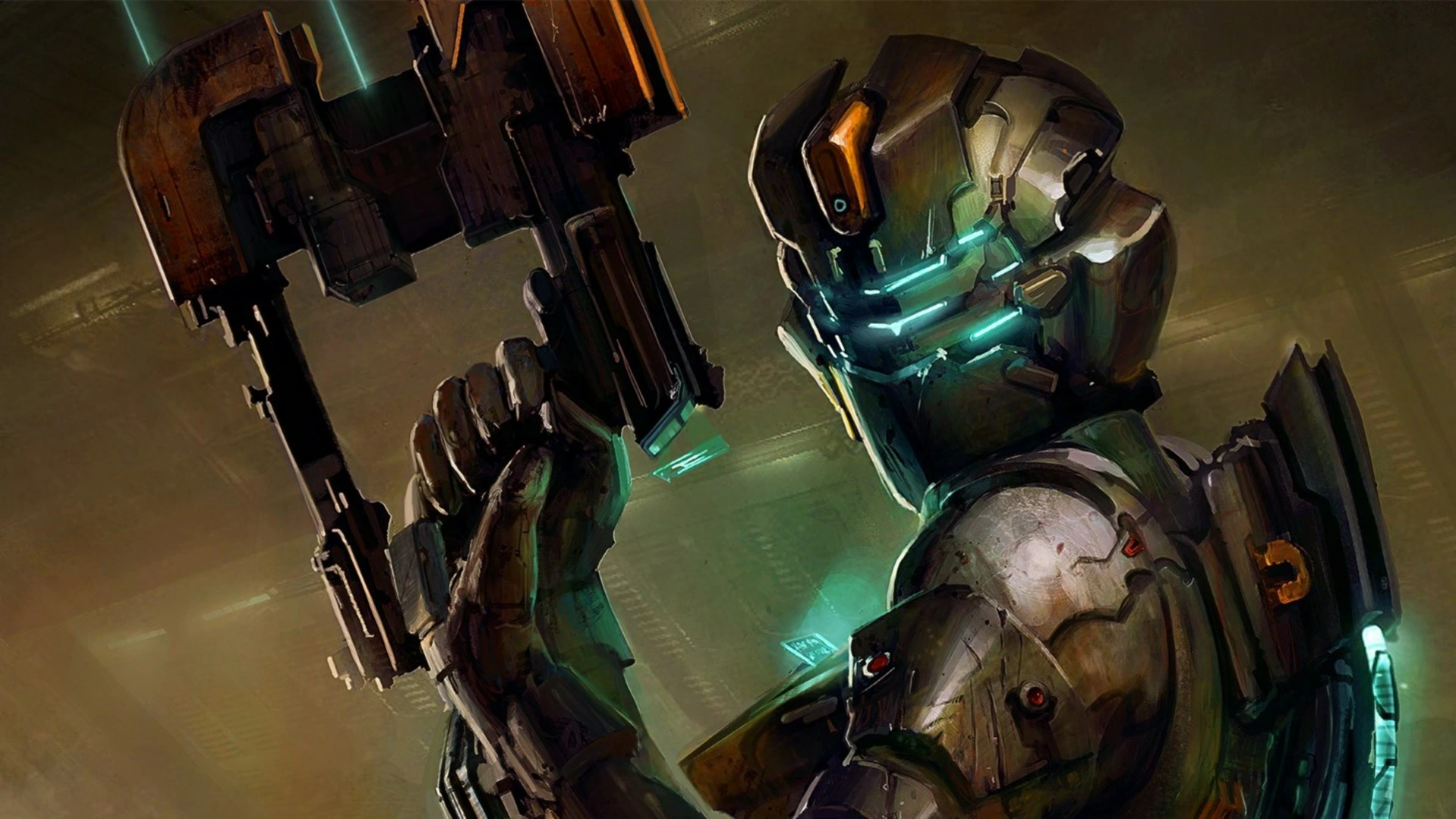
You have to respect Dead Space 2 — it’s still a superb game. Yet, it noticeably diverged from what made the original special. While its diversity in environment design and fast-paced combat were impressive, its heavier lean toward Resident Evil 4-style action diluted the horror essence. The first Dead Space was unique — from its immersive HUD to the claustrophobic Ishimura corridors. The sequel lost much of that eerie identity in the name of spectacle.
Follow Item4Gamer on social media and stay one step ahead of the game! 🚀






2. Kingdom Hearts 3
After more than a decade of anticipation, Kingdom Hearts 3 arrived as a technical marvel. However, the absence of Final Fantasy characters stripped away one of the series’ core charms. Despite richer worlds like Toy Box, the game lacked the combo precision and narrative pacing of Kingdom Hearts 2. Its story unfolded mostly near the end, leaving much of the journey feeling strangely hollow.

3. Resident Evil 5
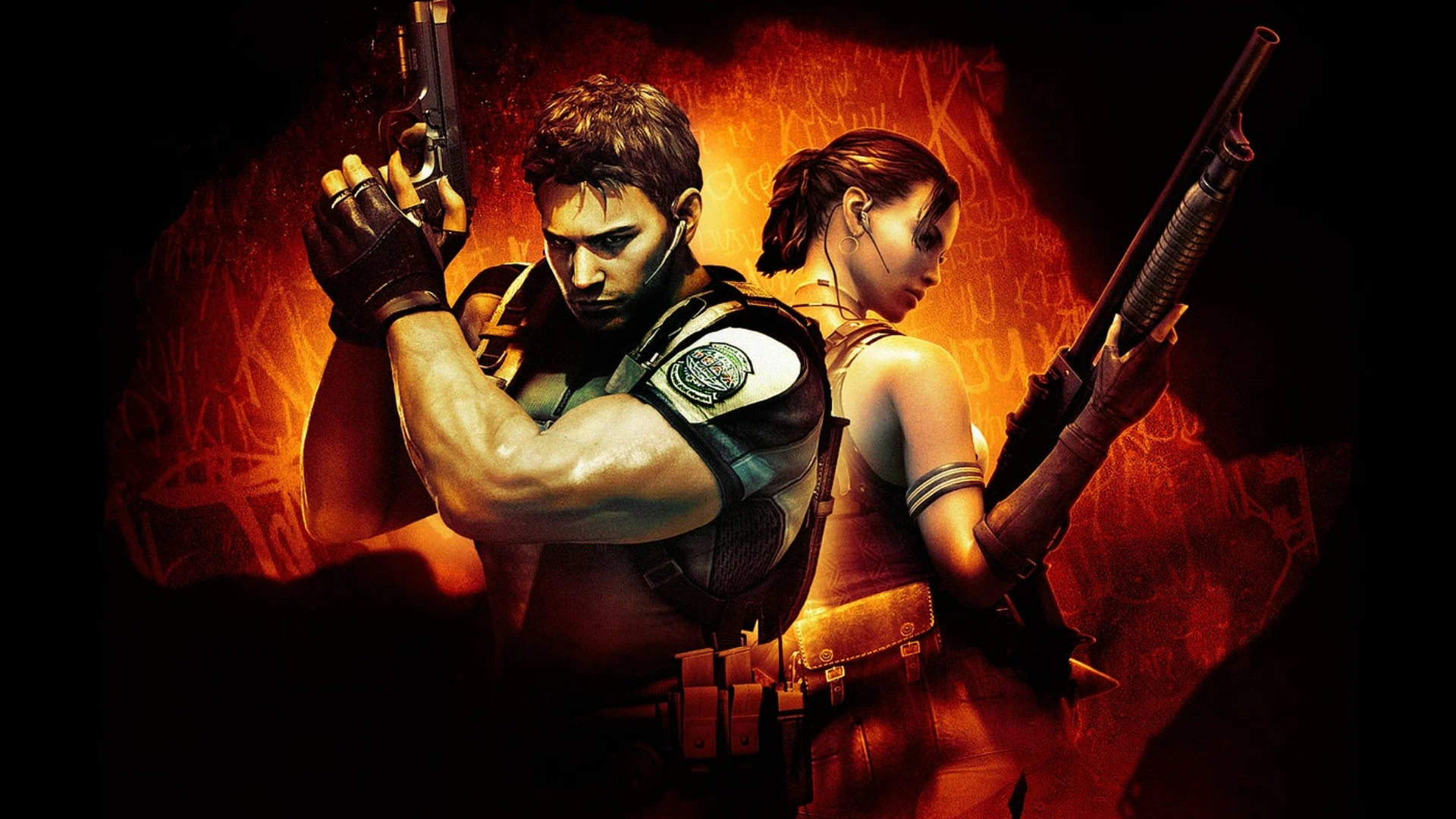
Known for radical reinventions, the Resident Evil franchise took another turn with Resident Evil 5, aiming for a co-op action experience while retaining RE4’s over-the-shoulder design. Unfortunately, this hybrid lacked consistent tone and direction. While enjoyable with a friend, it lost the terror, tension, and cohesion that made its predecessors so iconic — a clear case of a game worse than its predecessor.
🎁 If you’d like to experience it yourself, you can get a Steam Gift Card or PlayStation Gift Card to revisit the series.
4. Mirror’s Edge: Catalyst
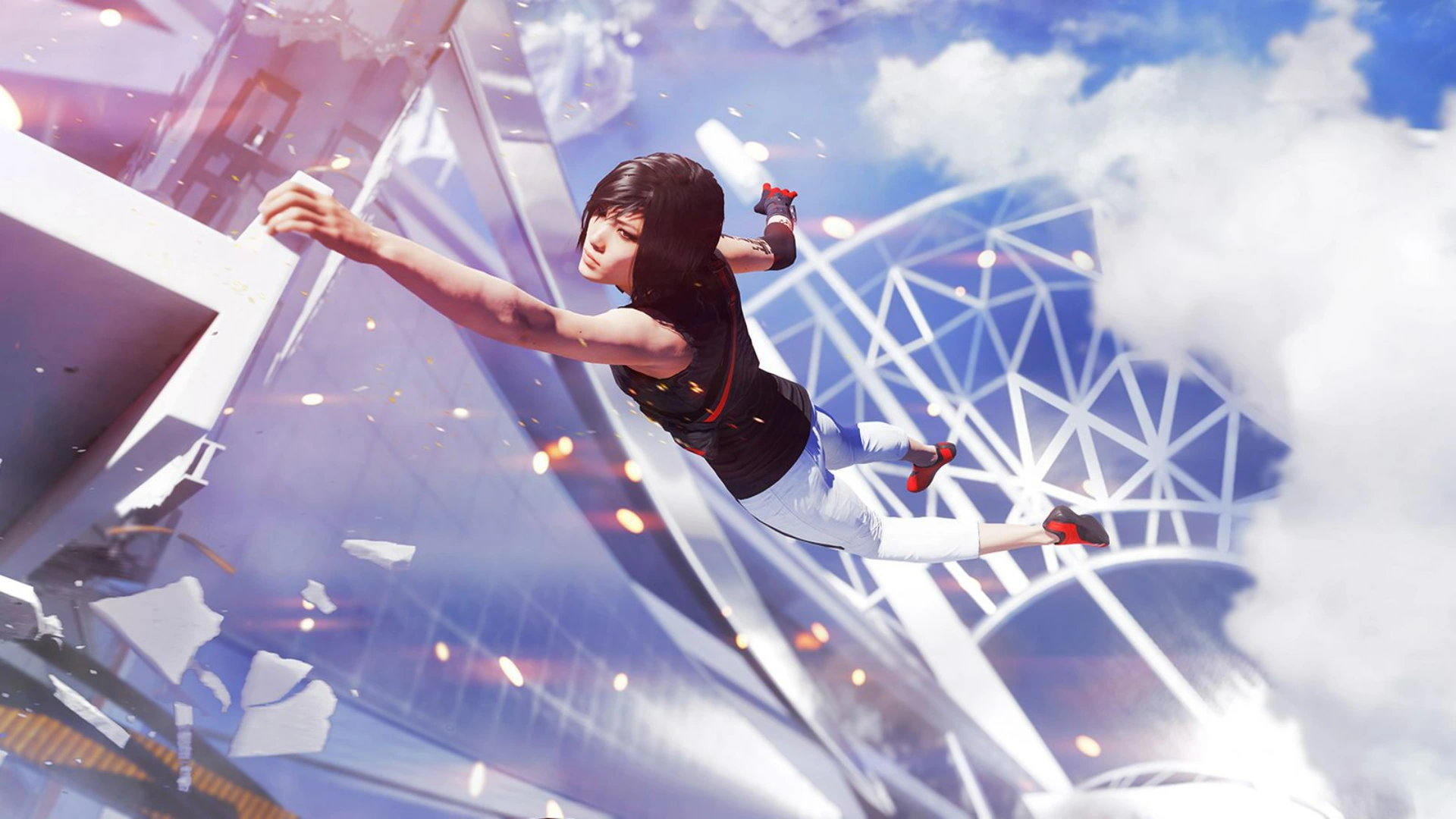
The original Mirror’s Edge stood alone in style and substance — clean visual minimalism, bold color use, and parkour precision. Catalyst attempted to expand with an open-world format, but that ambition backfired. What once was a masterclass in level design turned into an inconsistent sandbox, and combat — once avoided — became a dull, forced mechanic. The magic of motion was replaced with mediocrity.
5. Silent Hill 4: The Room
Silent Hill 4 remains creative but unfinished. Its first-person apartment sections deliver claustrophobic unease, yet repetitive third-person levels and backtracking bog it down. Compared to the narrative and atmospheric mastery of earlier entries, this sequel struggled to maintain emotional intensity. Even strong ideas can’t save an identity crisis.

6. Bayonetta 3
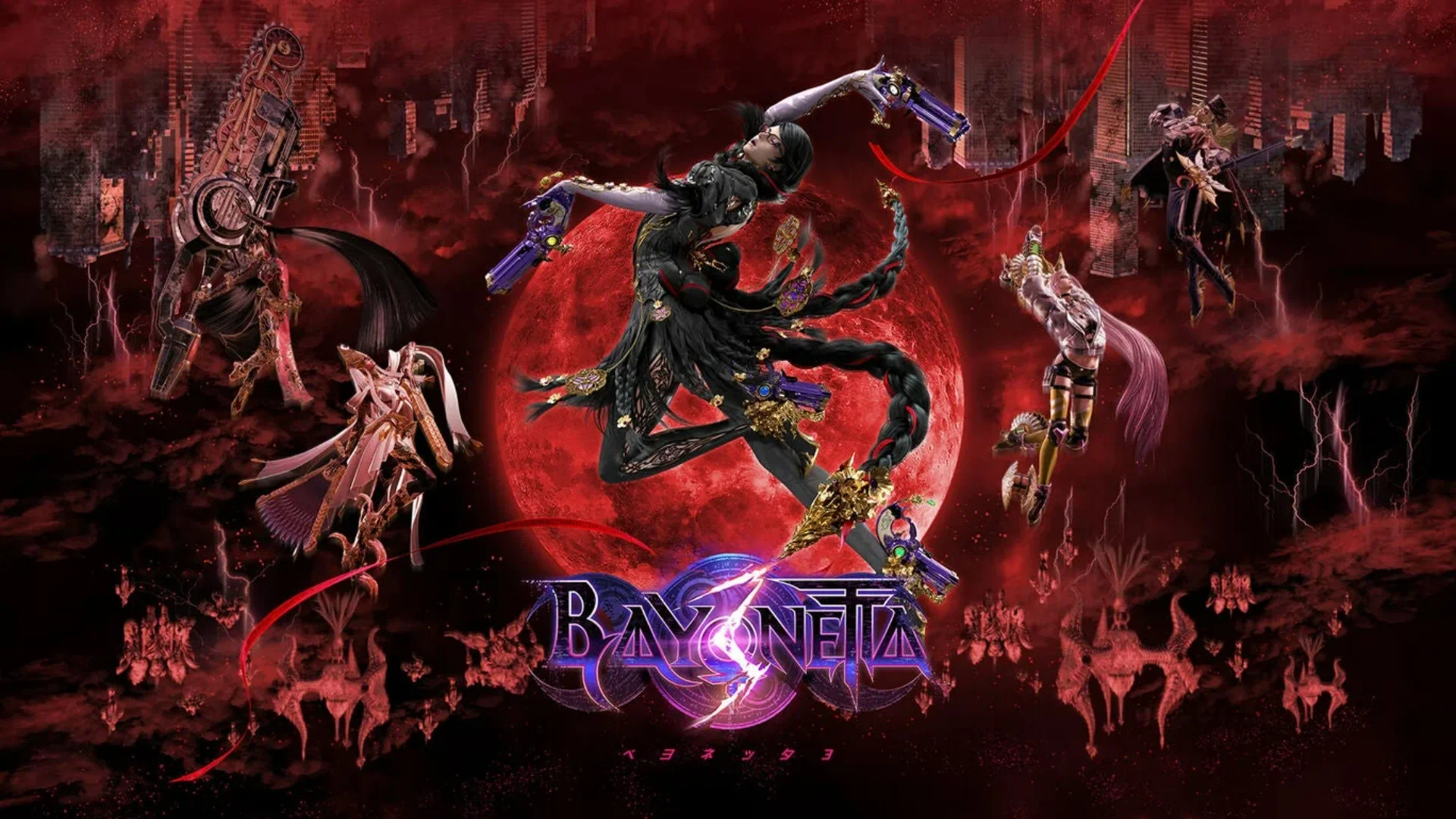
Bayonetta defined the action genre with style and swagger, and Bayonetta 2 perfected it. But Bayonetta 3 took bold risks that didn’t always land. The combat remained flashy, but the story betrayed the beloved protagonist — revelations came too late, and its narrative cohesion crumbled. For a franchise built on personality, this loss was devastating.
7. Marvel’s Spider-Man 2
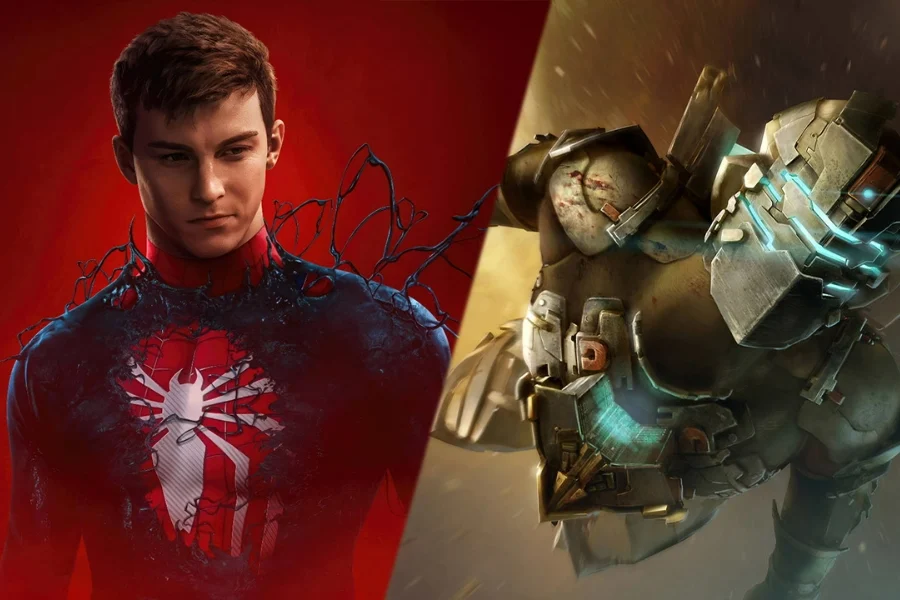
Modern game development is slow, risky, and immensely expensive. While Marvel’s Spider-Man 2 looked spectacular, it suffered from pacing and character depth issues. Its grand story left less room for emotional beats, and features fans loved — like suit-specific gadgets — were removed. As a result, the game felt bigger but emptier, a sequel worse than its predecessor despite its technical polish.

8. Dragon Age: The Veilguard

Visually stunning yet narratively shallow, Dragon Age: The Veilguard displays Bioware’s artistic flair but loses its soul. Missing key writers, the game’s one-dimensional characters and unmemorable dialogue undermine the studio’s legacy. Though performance and optimization shine, no beauty can mask weak storytelling in a series once known for emotional writing.
Also read: Top 8 Overpowered Video Game Characters You Can’t Forget
Conclusion
Sequels face an impossible challenge — to recreate the magic of what once was while exploring the new. These games worse than their predecessors remind us that innovation must walk a fine line between evolution and respect for identity. In chasing scale or change, many great titles have forgotten their roots — proving that sometimes, less truly is more.
Frequently Asked Questions
Because they often over-prioritize new features or technology rather than preserving the design philosophy and appeal that made the original great.
Not necessarily. Many are still technically solid but fail in comparison to their predecessors’ emotional or mechanical impact.
Balance. Expanding core ideas, evolving gameplay, and keeping the soul of the original intact — just as Resident Evil 2 Remake or God of War Ragnarök managed to do.