
If you have spent any time playing competitive shooters or watching high-level streamers pop heads in games like Overwatch, Valorant, or Counter-Strike, you have definitely heard the term Flick Shot. But what is a flick shot really, and why do different shooter communities define it in slightly different ways?
Whether you’re aiming to climb the Ranked ladder or land impossible 1v1 clutch duels, mastering the flick technique is the quickest route to sharpening your mechanical skill. Let’s break down what a flick shot actually is, how the mechanics work under the hood, and how it varies across different games.
Table of contents
Defining the Core Concept: What is a Flick Shot?
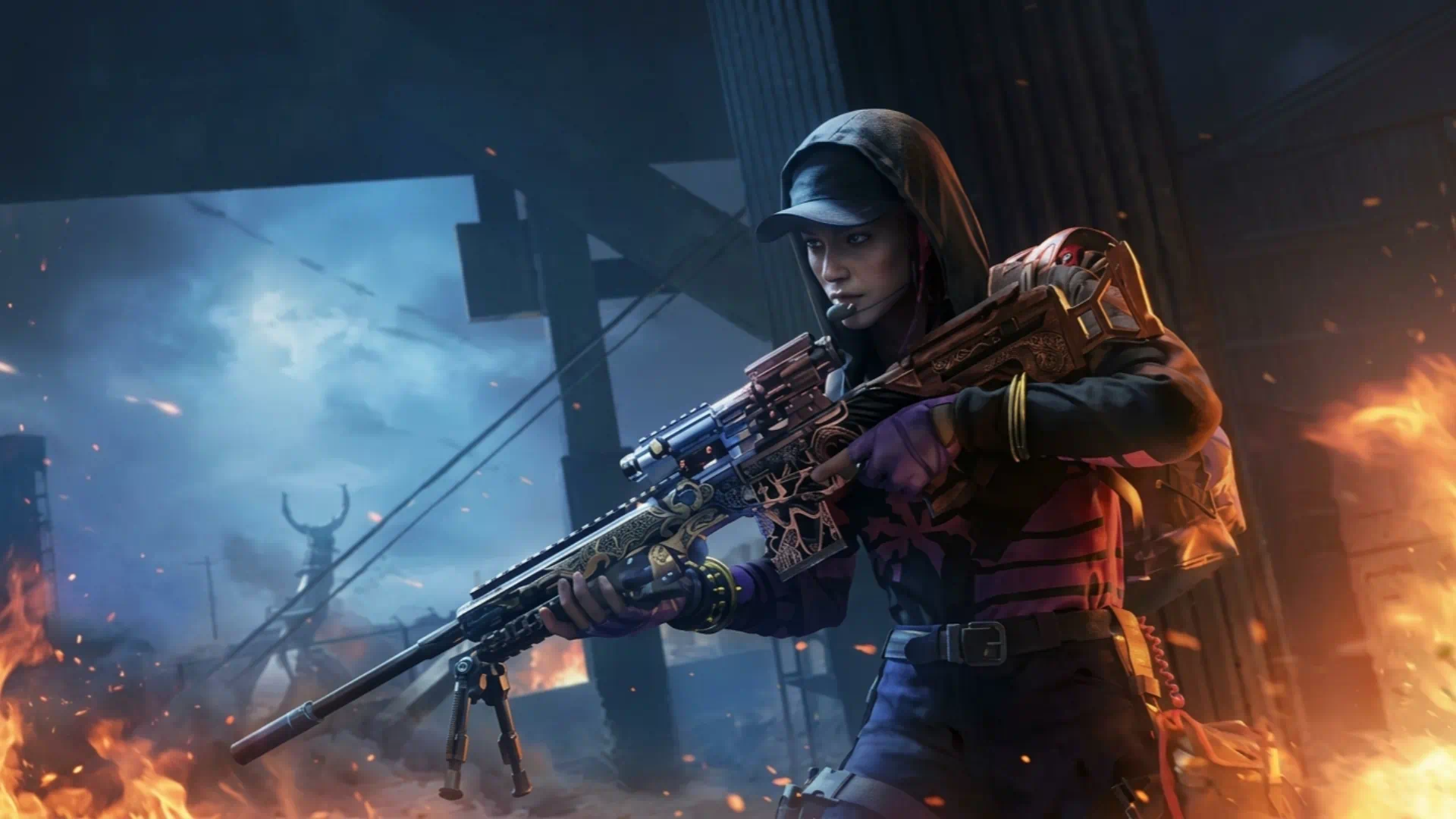
In general FPS terminology, a flick shot is a rapid, reactive mouse flick that moves your crosshair from a resting neutral position directly onto a target, fired almost simultaneously as the crosshair hits the hitbox.
Unlike tracking (where you smoothly follow an enemy’s movement across the screen), a flick is an explosive, twitch-based reflex. However, depending on whether you play tactical shooters or hyper-fast arena-style hero shooters, the execution splits into two distinct styles:
1. The Traditional Two-Step Flick (Flick + Micro-Adjustment)

In most tactical aim trainers (like KovaaK’s or Aimlabs) and tactical shooters (like CS2 or Valorant):
- You snap your crosshair aggressively towards the target’s general silhouette.
- You perform a split-second micro-correction (micro-adjustment) right onto the head.
- You fire and instantly reset or transfer to the next target.
This method minimizes overshooting errors and guarantees precision, especially against targets peeking angles or holding tight corners.
2. The Pure “Snap-and-Return” Flick (Overwatch Style)
In games like Overwatch, competitive players often refer to flick shots differently:
- Your crosshair starts at a neutral tracking position.
- You snap onto the enemy’s head with zero deceleration or micro-adjustment.
- You click at the exact millisecond of contact and immediately snap your crosshair back to your original line of sight.
This “in-and-out” motion is especially prevalent on hitscan duelists like Cassidy and Widowmaker. Because Overwatch features zero movement acceleration (instant ADAD strafing and jumping), waiting for a micro-adjustment can give the enemy enough time to dodge. Instead, players rely on pure muscle memory and predictive timing.
Hitscan vs. Projectile: Does Flicking Change?
A huge point of discussion among sharpshooters is how weapon mechanics affect flick shots:
- Hitscan Weapons (Cassidy, Widowmaker, Ashe): Bullets connect instantaneously upon clicking. Flick shots with hitscan rely strictly on spatial awareness—wherever your crosshair lands the moment you click, the damage registers immediately.
- Projectile Weapons (Hanzo, Mei, Torbjörn): Projectiles have travel time and bullet drop. On a hero like Hanzo, a flick shot isn’t aimed directly at where the enemy’s head is—you flick to the predicted space where their head will be when the arrow arrives. It combines predictive tracking with the burst speed of a flick.
4 Pro Tips to Master Your Flick Shots
- Find Your True Sensitivity (Sensi):If you consistently overshoot your target, your sensitivity or DPI is likely too high. If you find yourself falling short and needing a second swipe, increase your sensitivity or get a larger mousepad.
- Prioritize Smoothness Over Raw Speed:As the saying goes in competitive aim coaching: “Slow is smooth, and smooth is fast.” Practice hitting targets cleanly at a moderate pace first; raw speed will naturally develop through muscle memory.
- Keep Your Crosshair at Head Level:Good crosshair placement drastically reduces the distance you need to flick. The smaller the flick angle, the higher your accuracy percentage.
- Practice Target Switching Routines:Spend 10 to 15 minutes daily on dynamic target switching routines to train both long flicks and rapid micro-adjustments.
Related article:Why GTA 6 Helps Call of Duty: Activision’s Big Claim
Conclusion
Whether you are holding angles in Counter-Strike or pulling off insane snap shots in competitive lobbies, understanding the true mechanics behind flick shots will transform your gameplay. Raw speed means nothing without precision and consistency. Pair your daily aim training with proper game sense, keep your crosshair locked at head level, and dominate the Ranked ladder like a true pro!






Faq
Neither is universally better—both are essential. Tracking is crucial for automatic weapons (like Soldier: 76, Tracer, or ARs in Call of Duty), while flicking is dominant on single-shot, high-burst weapons (like snipers, revolvers, and shotguns).
Resetting the crosshair prevents disorientation and keeps your screen centered on the main chokepoint or path where the next threat is most likely to appear.
Flick shooting is almost 90% muscle memory and eye-hand coordination. With deliberate daily aim training and consistent mouse sensitivity, anyone can dramatically improve their flick accuracy.