
The moment a great game is released, fans start demanding a sequel, often forgetting the risk of too much of a good thing. For a sequel to succeed, it must do more than just repeat the past; it needs to expand on the original’s ideas while introducing fresh mechanics. Unfortunately, making great games takes time. This article dives into the most disappointing game sequels that couldn’t step out of the massive shadow cast by their predecessors.

Table of contents
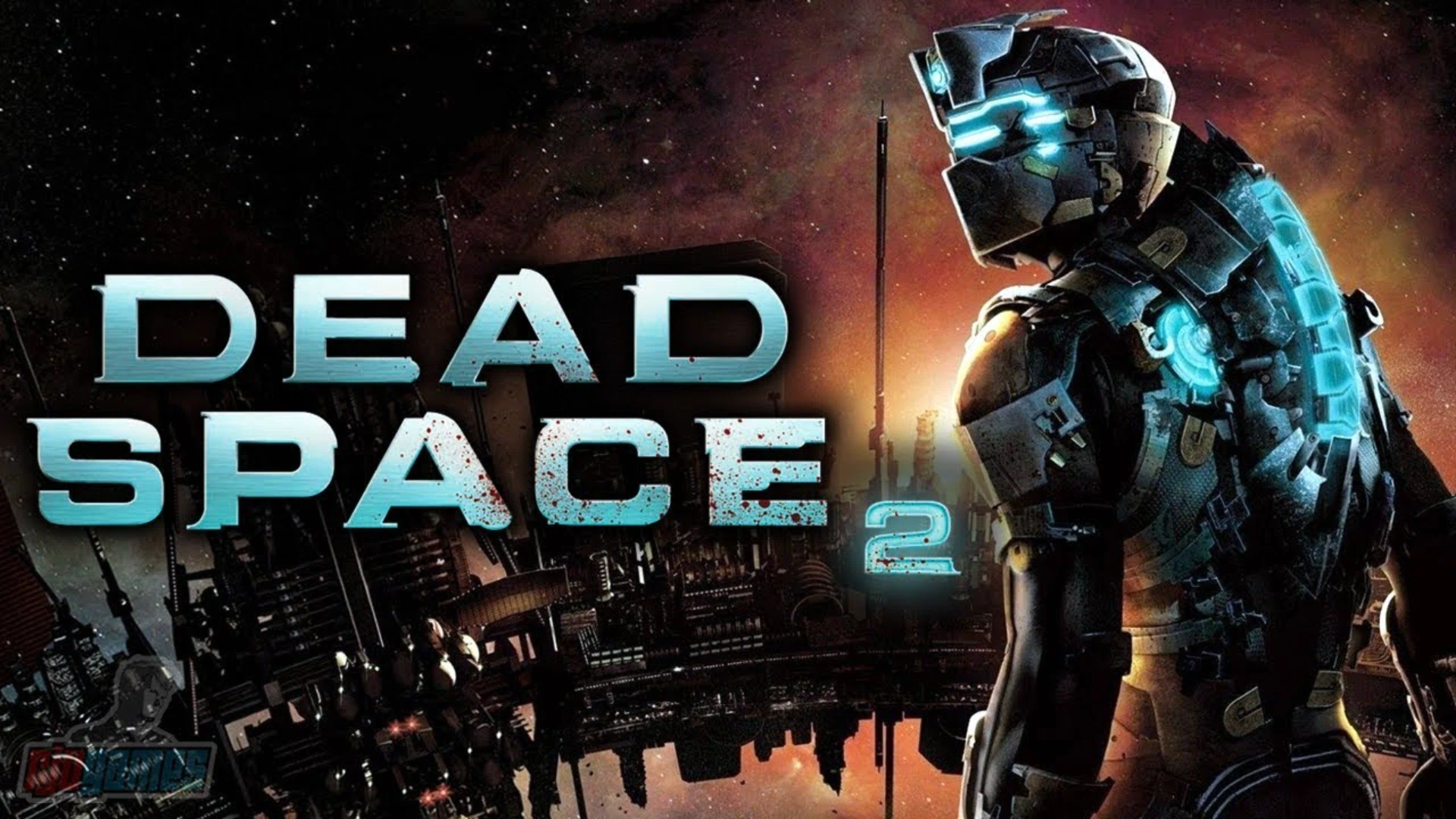
1. Dead Space 2
To be fair, Dead Space 2 is still a very good game, though it’s a noticeable departure from the first. It leaned even more heavily into its Resident Evil 4 inspirations, featuring more varied environments and overpowered weapons. The problem is that the original Dead Space was a unique masterpiece. Its in-world map, the haunting corridors of the Ishimura, the silent protagonist, and the specific function of each weapon were iconic. The sequel, while a stronger action title, lost much of the unique identity that made the first game a horror legend.
2. Kingdom Hearts 3
After more than a decade in development, expectations for Kingdom Hearts 3 were sky-high. Technically, it’s a worthy title, and its Disney worlds, like the Toy Box, were arguably the strongest since the first game. The issue was the removal of one of the series’ biggest strengths: the Final Fantasy characters. Furthermore, despite a more varied combat system, it lacked the cohesive combo flow of the second game. The biggest flaw was that the bulk of the story was crammed into the finale, making the rest of the game feel like a long, tedious grind to reach the Keyblade Graveyard.

3. Resident Evil 5
The Resident Evil series is known for its radical shifts. After the third game, the franchise reinvented itself with the action-oriented, over-the-shoulder camera of Resident Evil 4. Resident Evil 5 tried to return to the series’ roots by bringing back Chris Redfield while retaining the action elements and adding co-op. This awkward mix ultimately hurt the game. While it can be fun, especially in co-op, its lack of a cohesive vision makes it feel weak compared to the titles that came before and after it.

4. Mirror’s Edge: Catalyst
The original Mirror’s Edge was one-of-a-kind. Its unique art style, bold use of color, and dystopian setting were unforgettable. Freedom of movement was the core of the experience, and its brilliant level design made it a speedrunner’s dream. That’s why Mirror’s Edge: Catalyst felt so much weaker. This prequel fell into the open-world trap, sacrificing quality for quantity. The tight, masterfully crafted levels of the original were replaced by a world that couldn’t be as meticulously designed. It also put more focus on its uninspired combat.

5. Silent Hill 4: The Room
While many don’t say it, Silent Hill 4: The Room is a good, creative game. Its biggest problem was that it didn’t have enough time to polish its mechanics and fully develop its story. The game is split between first-person sections in the room and third-person exploration, creating a suffocating, ever-changing atmosphere where you never feel safe. However, the third-person segments become tedious as you are forced to backtrack through the same environments repeatedly. It also couldn’t match the narrative power and atmosphere of the first three games, which set an incredibly high bar.

6. Bayonetta 3
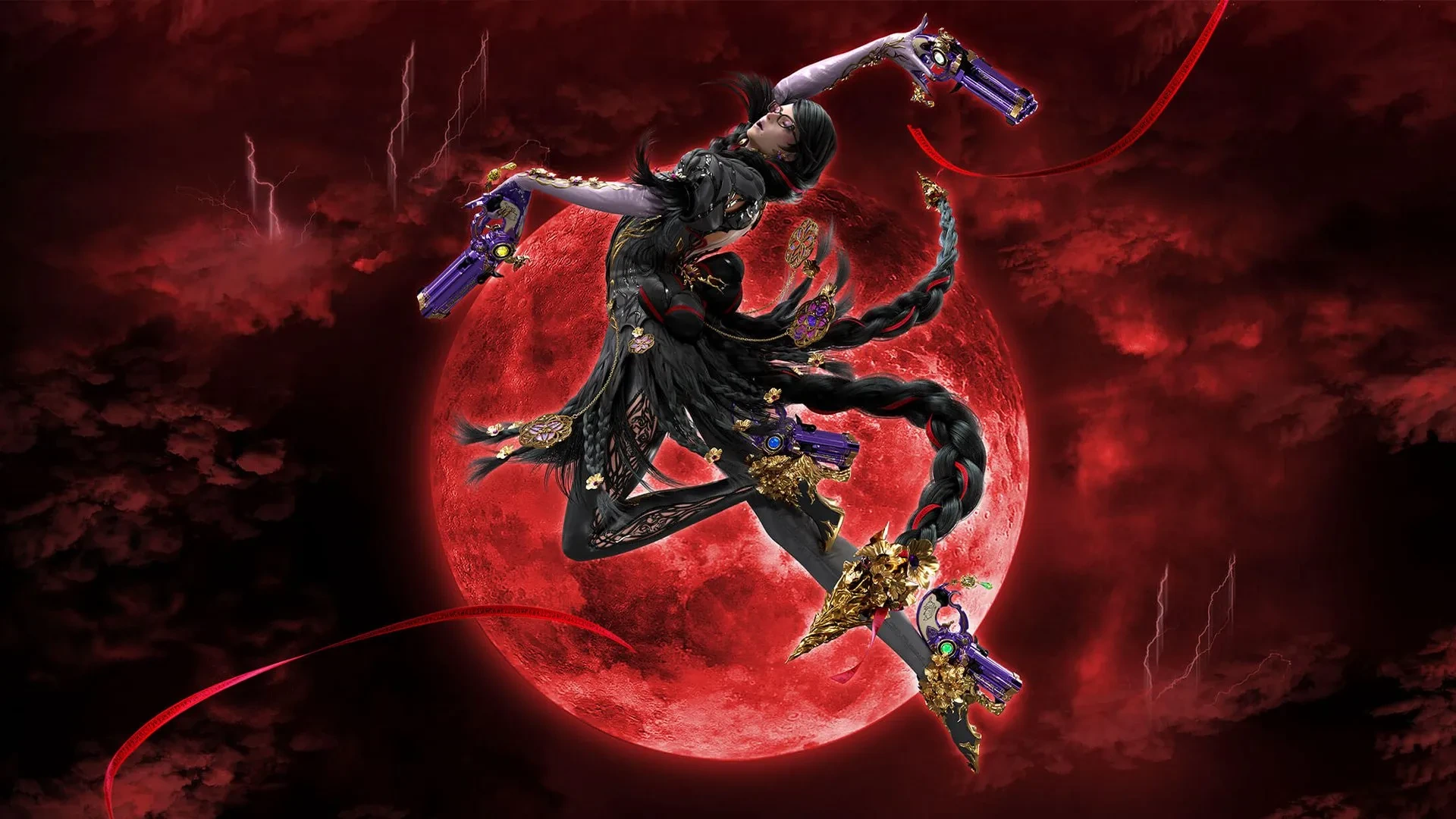
Bayonetta 1 is one of the best action games ever made. Its sequel improved on everything and created a more beautiful world, though it played it safe. Bayonetta 3, however, took a completely different path with bold changes—some good, some not. The main reason it lands on this list of disappointing game sequels is its story. While plot isn’t the main reason to play these games, the characters are beloved. Unfortunately, the narrative of Bayonetta 3 was a betrayal of its main character. Worse, most of the crucial plot points weren’t even told in the game but were revealed after the credits rolled.
Unlock PlayStation games instantly with a fast, secure, and hassle-free PSN Gift Card purchase at Item4Gamer. Buy now and play without limits!
7. Marvel’s Spider-Man 2
Modern game development is so expensive and time-consuming that even a simple sequel can cost millions and take five years. Marvel’s Spider-Man 2 is a prime example of this. The first game delivered a cohesive story with fun combat and solid level design. The sequel attempted to tell a much larger-scale story in a similar timeframe, causing the character development for villains like Venom and Kraven to feel rushed. Furthermore, features like gadgets and suit-specific abilities were removed—elements that could have been expanded upon to evolve the gameplay.

8. Dragon Age: The Veilguard
It’s easy to criticize Dragon Age: The Veilguard because it has many fundamental problems. Although the game is visually beautiful with a strong art direction and is surprisingly optimized despite its chaotic development, it features what is clearly the weakest story in the Dragon Age series, and its one-dimensional characters don’t help. BioWare’s legacy of character writing depended on the talented writers who worked there, and the absence of these key individuals has clearly diminished the quality of characterization in this installment.
Related article: PS6 Release Date 2027 — Everything We Know So Far

Conclusion
Creating a sequel that surpasses a beloved original is one of the biggest challenges in game development. While the games on this list aren’t all failures, they serve as powerful reminders that expanding a franchise requires more than just repeating a successful formula. They highlight the difficulty of balancing innovation with the core identity that fans fell in love with, proving that sometimes, lightning doesn’t strike twice.
Follow us on social media and stay one step ahead of the game! 🚀






Frequently Asked Questions (FAQ)
A sequel is often considered disappointing when it fails to innovate, removes beloved features, tells a weaker story, or loses the unique identity that made the original special, even if the game itself is not technically bad.
No, not at all. Many of the games, like Dead Space 2 and Resident Evil 5, are considered good games on their own. However, they are viewed as disappointing in comparison to the higher standards set by their predecessors.
Developers face the difficult challenge of pleasing existing fans while also attracting new players. They must evolve the gameplay and story without straying too far from what made the first game a hit, a balance that is very hard to achieve.