The Witcher 3: Wild Hunt is a landmark title in video game history, remaining beloved and influential nearly a decade after its release. It was an unforgettable adventure for millions, yet it wasn’t perfect. As we look toward The Witcher 4, there are several areas where CD Projekt RED can build upon its legendary predecessor to create an even more complete and astounding experience.

Table of contents
More Epic Choices and Deeper Consequences
One of the most debated aspects of The Witcher 3 was its use of choice and consequence. While the game excelled at storytelling, the impact of major player decisions didn’t always meet expectations. Many choices, though seemingly significant, led to minor changes, sometimes only altering a few lines of dialogue or the fate of a secondary character. This lessened the emotional weight of those pivotal moments.
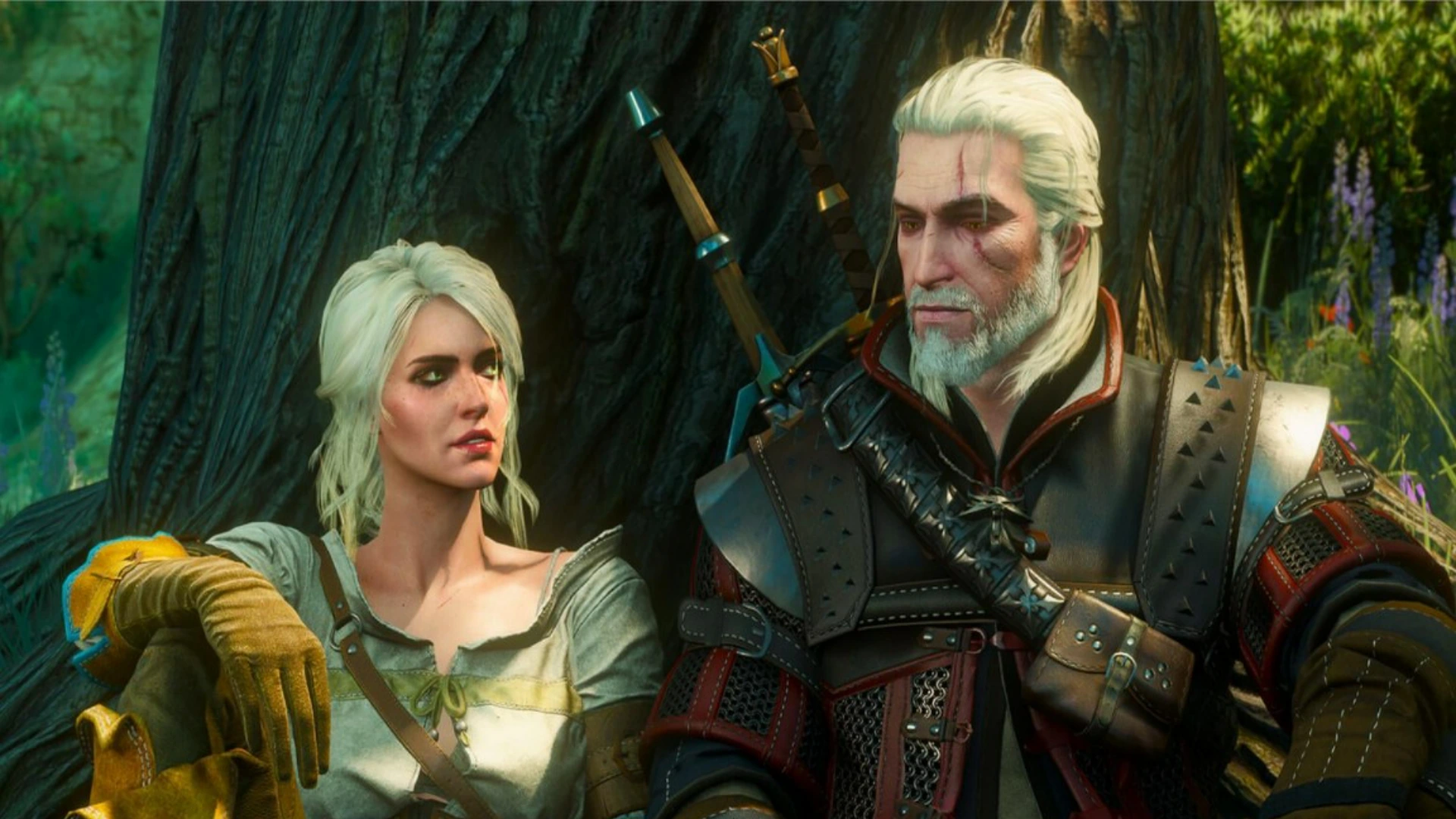
In contrast, games like Dragon Age: Inquisition and Mass Effect showed how a single choice could have political, social, and personal ramifications. In The Witcher 4, player decisions must carry a heavier emotional and narrative weight. Imagine choosing between saving a city and the life of your closest companion. These choices should not only change the story’s path but also have long-term, cascading effects, where a decision made early on returns with unexpected consequences much later. This would make the world feel truly reactive to the player’s presence.
Follow Item4Gamer on social media and stay one step ahead of the game! 🚀






Deeper and More Meaningful RPG Elements
While The Witcher 3 was a narrative masterpiece, its classic RPG elements were often criticized as shallow. The primary motivation for most players was the story, not the character progression system. The RPG mechanics felt more like a surface-level layer than a core pillar of the experience, rarely giving players the feeling of building a truly unique character.
The Witcher 4 has a golden opportunity to turn this weakness into a strength. A deeper RPG system could include diverse skill trees, unique crafting for armor and weapons, and varied combat paths. More importantly, rewards for exploration must be valuable. Finding a legendary sword in a hidden cave should feel like a game-changing discovery, not just another piece of vendor trash. This would not only increase replayability but also strengthen the player’s connection to their character, making them feel like «this is my Witcher.»‘
Rewarding Exploration That Sparks Curiosity
Exploration is the heart of any open-world RPG, but in The Witcher 3, curiosity was often met with disappointment. Whether clearing a monster nest or exploring a dangerous cave, the reward was usually a collection of random, worthless items. Only a few specific locations offered truly valuable loot, which discouraged players from straying off the beaten path.
Games like Elden Ring have proven how rewarding exploration can be when every corner of the world holds a potential secret—a unique item, a hidden boss, or a new storyline. The Witcher 4 should adopt this philosophy. Every hidden location should promise a worthwhile discovery. This would transform exploration from a repetitive chore into a core part of the experience, where every new step holds the promise of an amazing and memorable reward.
Instantly access the PlayStation Store—get fast, secure, and hassle-free PSN Gift Card from Item4Gamer.
A More Dynamic and Reactive Living World
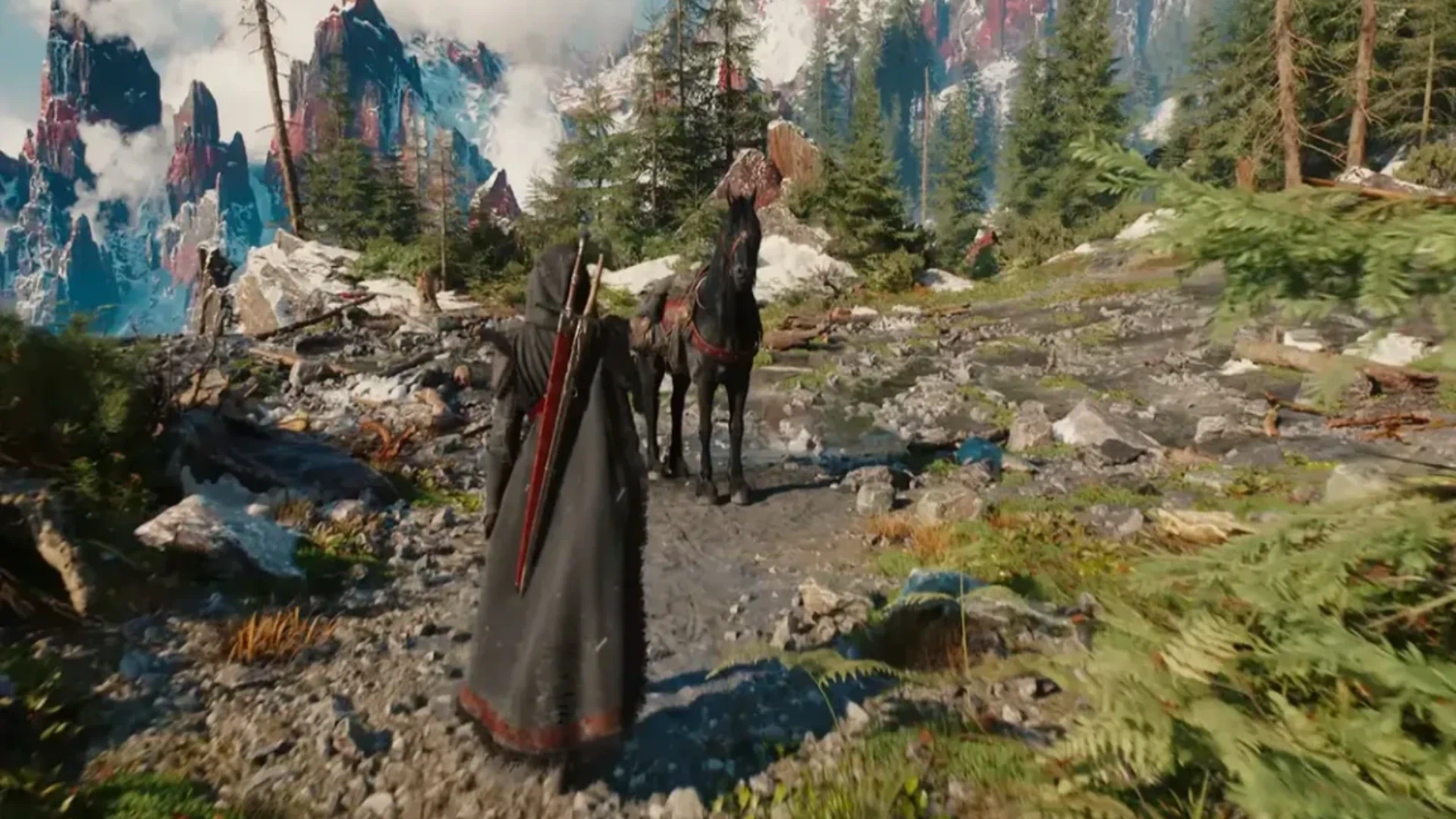
The world of The Witcher 3 was vast and detailed, but it wasn’t very reactive. The environment and its people only responded to the player’s actions to a limited extent before returning to their default state. This made the player feel like a visitor rather than an integral part of a living world.
To surpass its predecessor, the world of the next game needs to be truly dynamic. Imagine seasons changing, affecting food availability and monster activity. A day/night cycle where creatures become more ferocious in the dark would add a new strategic layer. Furthermore, the world should have a long-term memory of the player’s actions. Saving a village from a monster could lead to its economic growth over time, while neglecting a region could result in its ruin. This would make the player feel like their presence truly matters.
In-Depth Character Customization with Ciri
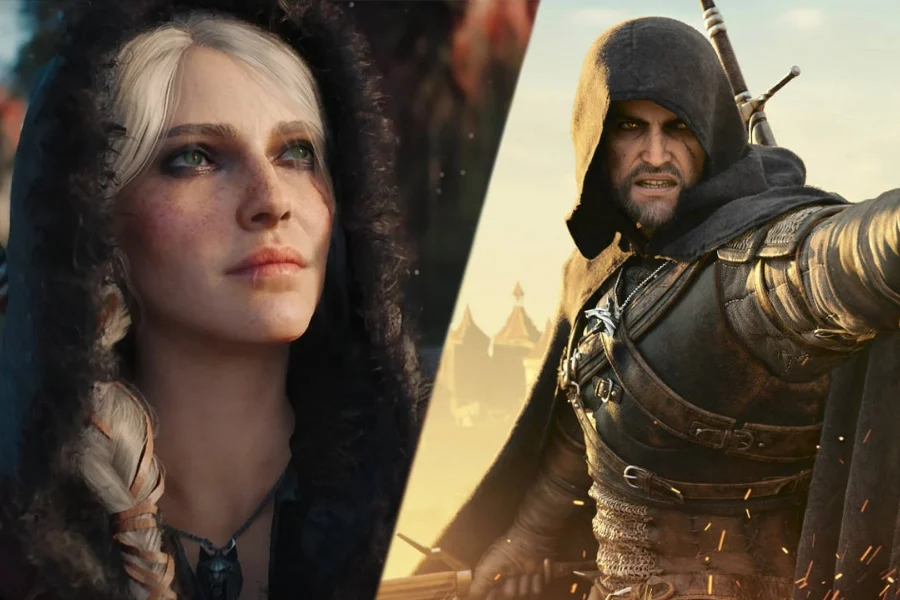
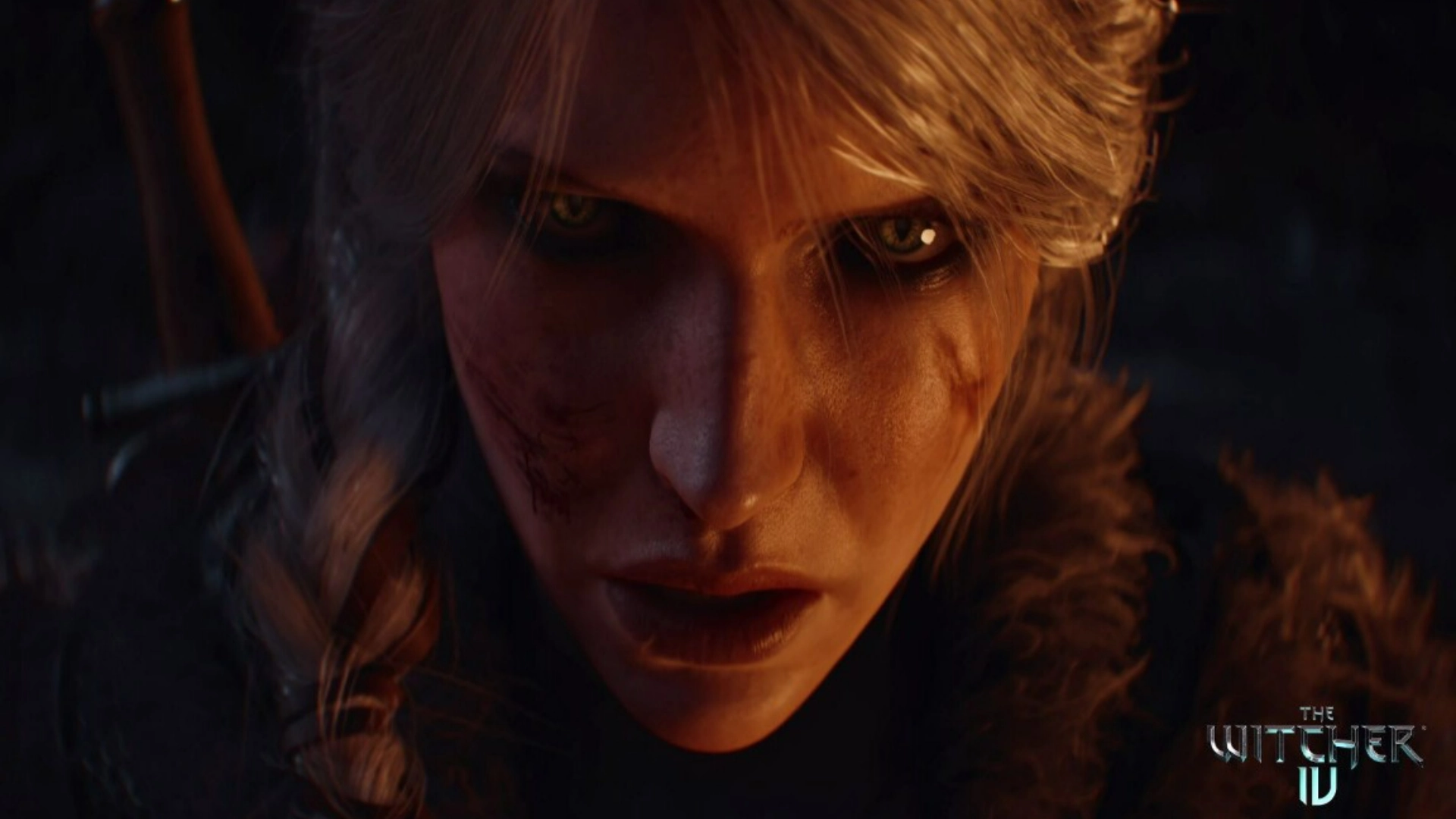
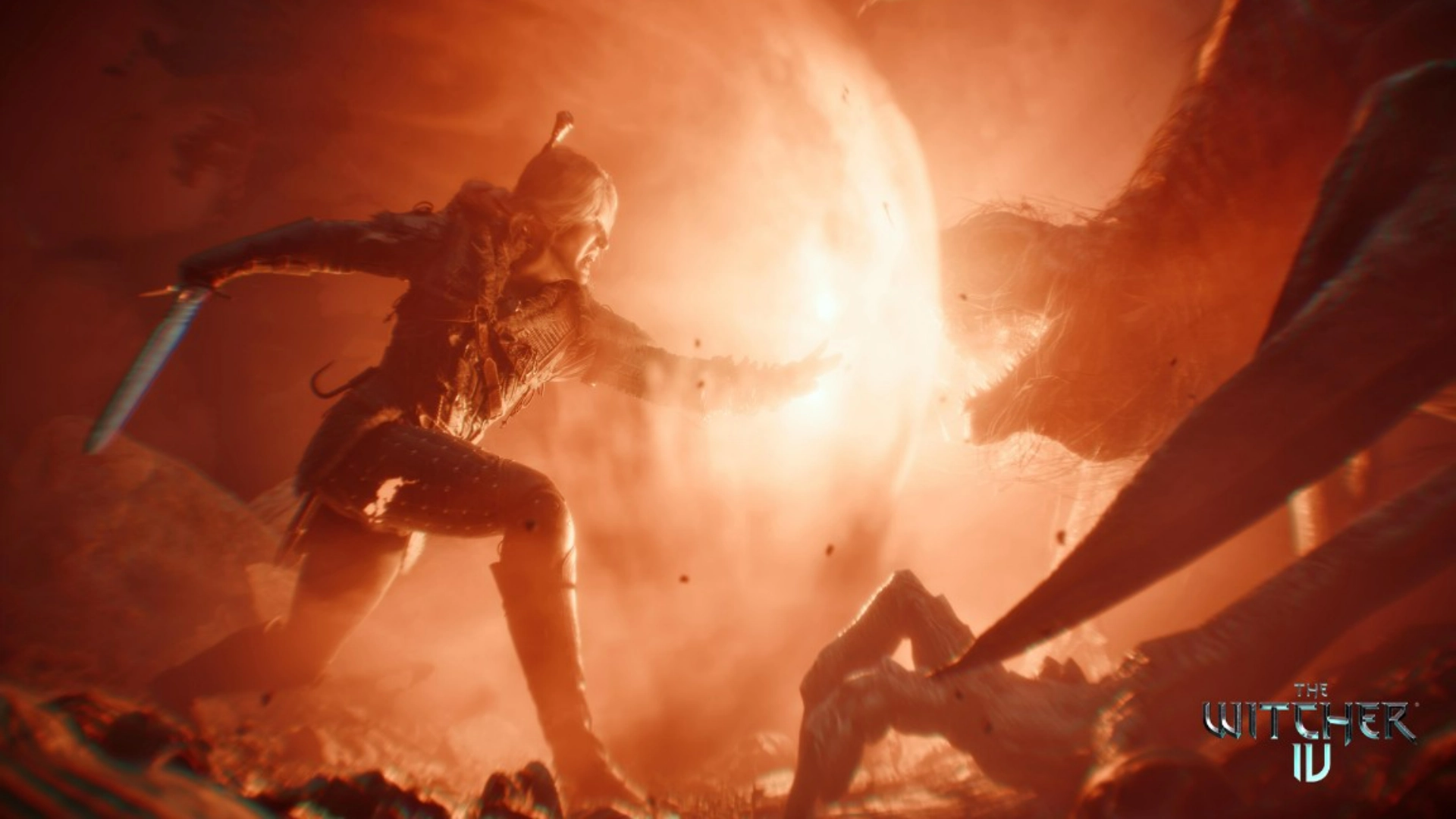
The Witcher 3‘s customization was limited. While Geralt’s skills could be upgraded, the changes rarely created a new gameplay experience. With Ciri rumored as the protagonist, The Witcher 4 has a chance to revolutionize this. Thanks to her Elder Blood, Ciri has far more potential for diverse builds. Players could shape her into a classic sword-wielding Witcher, an agile parkour-focused fighter, or a powerful mage who bends time and space.
This system should be deep, allowing players to create hybrid builds by combining different skills. For instance, a build focused on Ciri’s teleportation speed could be combined with magical effects, adding frost or fire damage to her lightning-fast strikes. This would make build-crafting exciting and give players a real sense of ownership over their character’s identity and combat style.
A Revamped and More Engaging Combat System
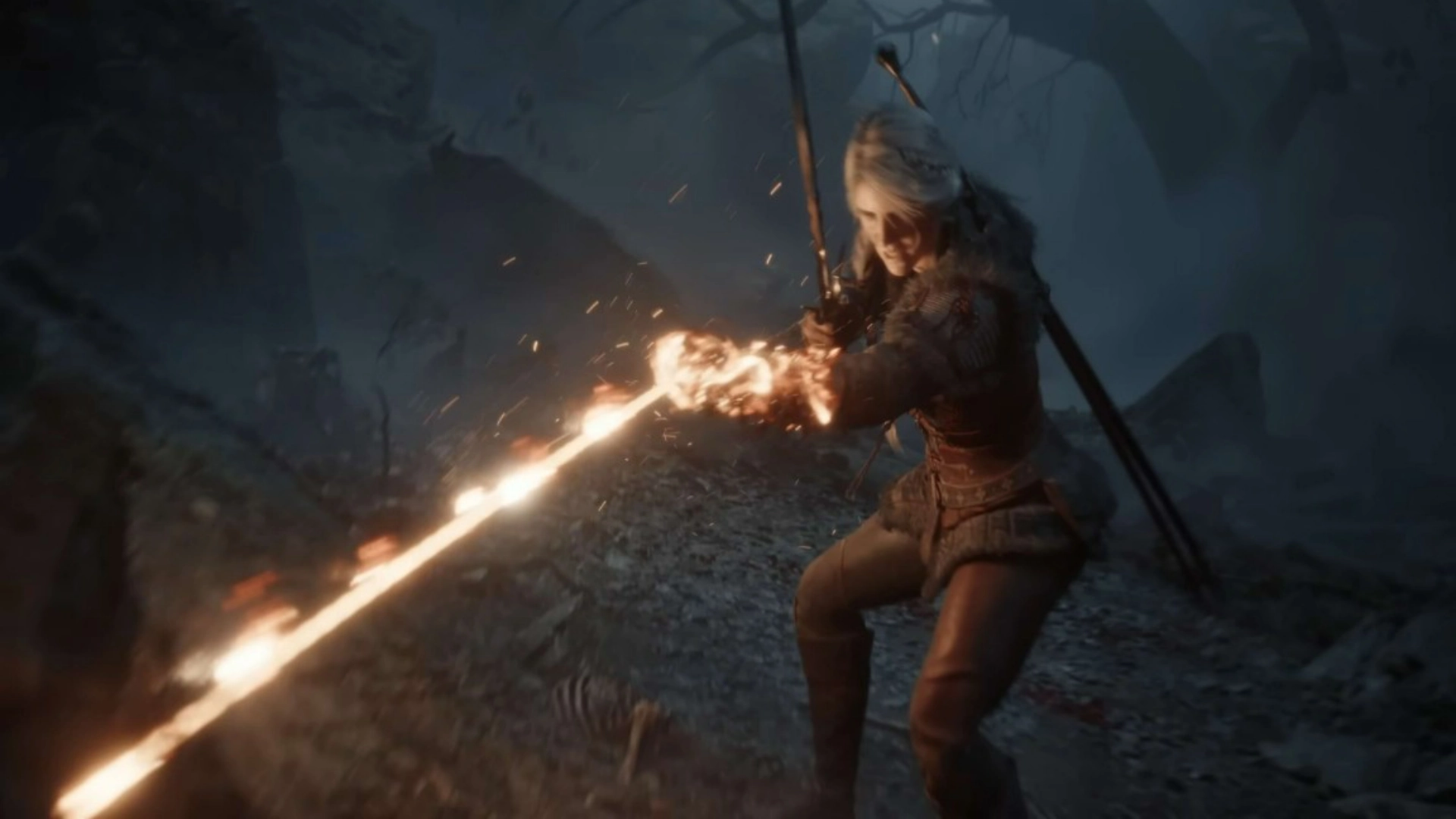
The combat in The Witcher 3 was fluid, but it became repetitive over time, relying on a fixed rhythm of dodging, attacking, and using Signs. The next installment can break this cycle by introducing more depth and variety. This starts with smarter enemy AI that can exploit player weaknesses and work together strategically.
With Ciri’s unique abilities, combat can become a tactical dance. Imagine slowing down time to land a precision strike, teleporting behind an enemy for a surprise attack, or chaining blinks to take out multiple foes at once. Combined with improved physics and more impactful animations, where every sword strike feels weighty and powerful, the combat in The Witcher 4 could be transformed from a functional system into one of the game’s most thrilling and replayable features.

Also read: New RPG by ex-CDPR devs — can it rival The Witcher 3?
Conclusion
The Witcher 3: Wild Hunt set a high bar that will be difficult to clear. However, by focusing on more impactful choices, deeper RPG mechanics, rewarding exploration, a truly dynamic world, extensive customization, and more engaging combat, The Witcher 4 has a clear path to not only meeting but exceeding the legacy of its predecessor and becoming the definitive title in the franchise.
Frequently Asked Questions (FAQ)
A: By implementing long-term, cascading consequences where decisions have significant political, social, and personal effects that reshape the game world, rather than just altering minor dialogue.
A: To create deep, diverse skill trees and meaningful loot that allow players to craft truly unique character builds, making each playthrough feel distinct and personal.
A: Her control over time and space can introduce new mechanics like teleportation strikes, time manipulation, and chain attacks, transforming combat from a simple action system into a more tactical and dynamic experience.